This is a cornerstone of responsible lab practice
His approach integrates nutrition with behavioral science to ensure his patients get access to life changing peptide therapy through traditional methods
The smaller size of peptides allows for better absorption through the gut or skin and quicker entry into the bloodstream, supporting targeted functions like collagen synthesis, immune signaling and muscle repair
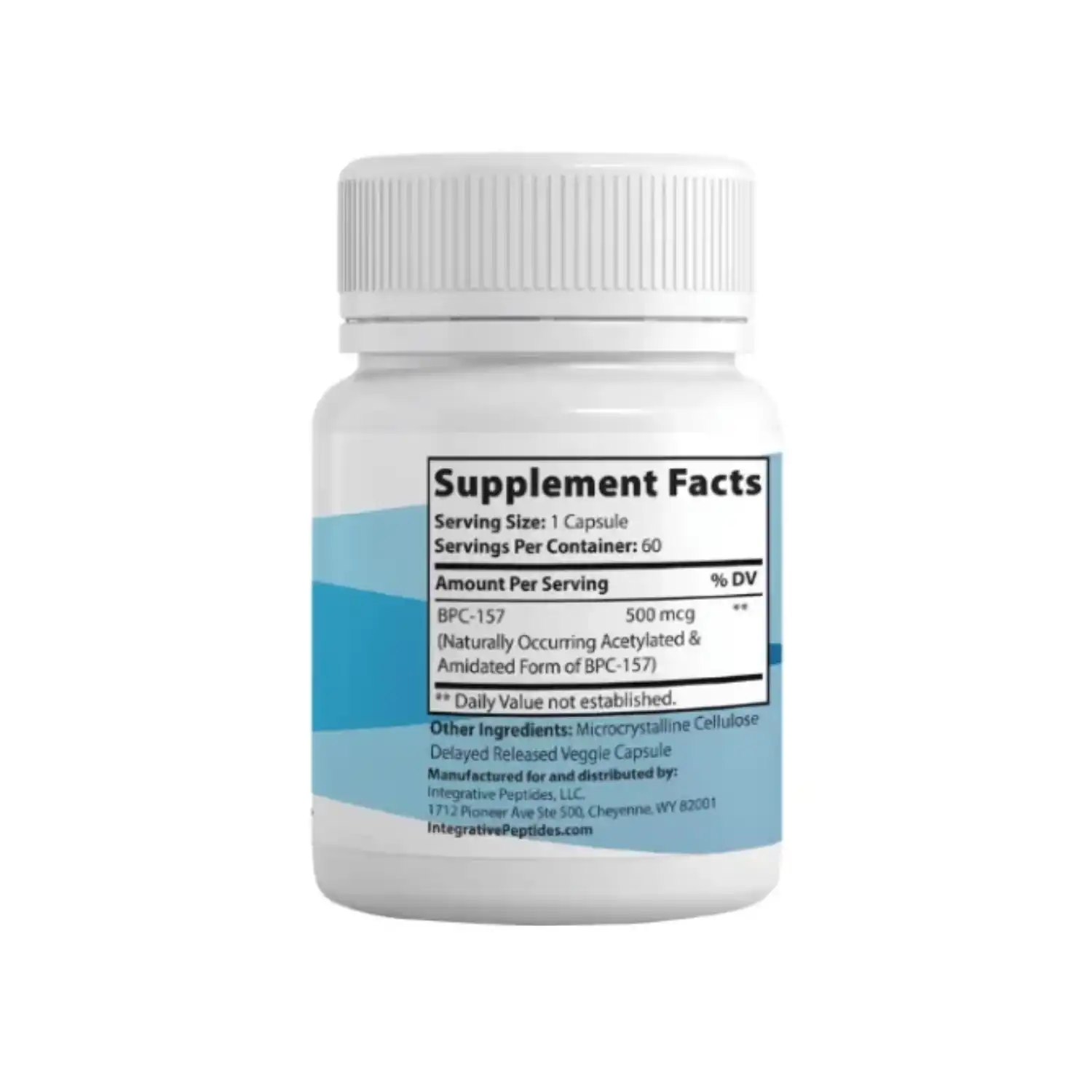
Additional research suggests it counteracts damage caused by NSAIDs, alcohol, and even traumatic brain injury38source How to Take peptide therapy For injury recovery: 250500 mcg/day injected near the injury or subcutaneously For gut healing: 250 mcg/day orally For chronic inflammation: up to 500 mcg/day Always consult a provider to determine your ideal dose and method
[3] [4] This article explains what the main studies found, what those findings may mean, and what they do not prove
This area of research is still evolving, and more long-term human studies are needed