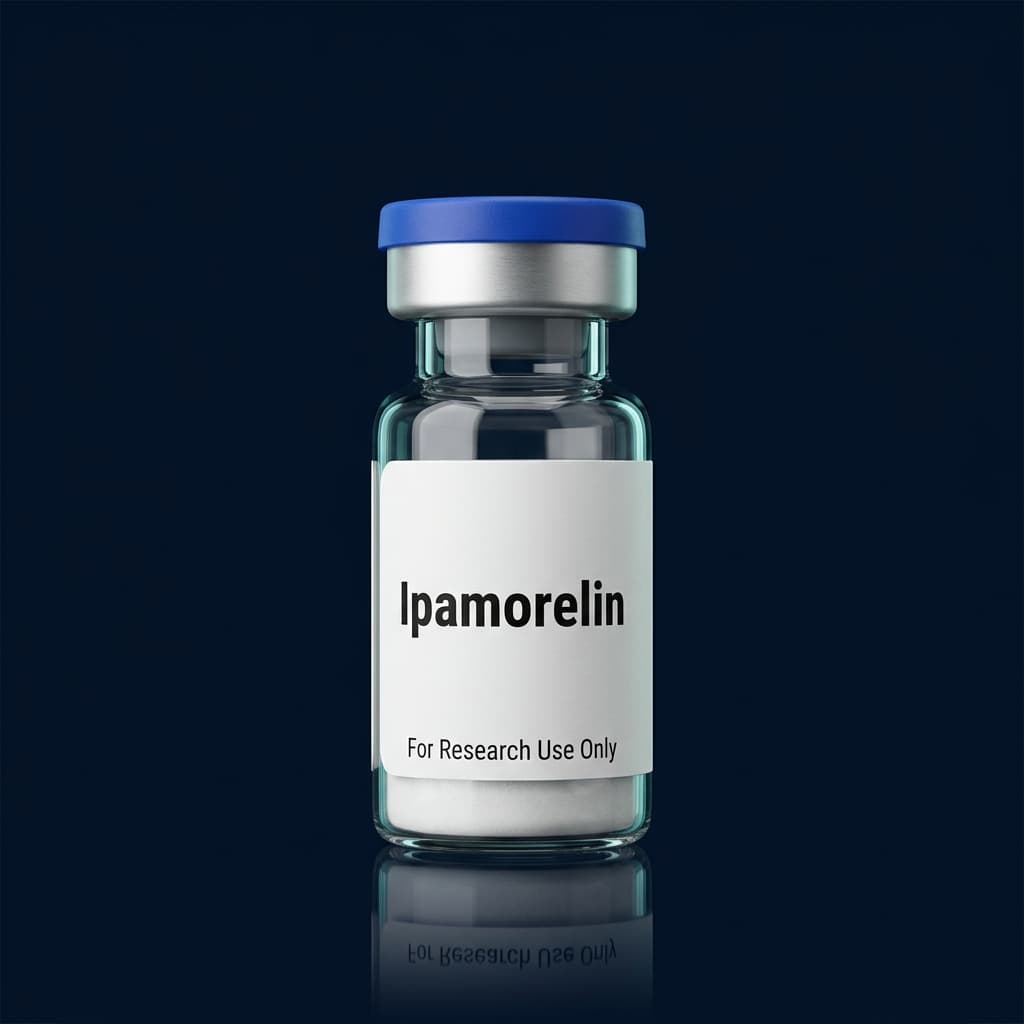
Yes, generally safe to combine Often synergistic Peptides may allow lower HRT doses Consult prescribing physician Common combinations: Estrogen/progesterone HRT + CJC-1295 + Ipamorelin Bioidentical hormones + GHK-Cu Testosterone pellets/cream + peptides Benefits of combining: Comprehensive hormone optimization Better results than either alone Address multiple pathways Cardiovascular considerations Women 40+ cardiovascular health: Estrogen decline increases CV risk Blood pressure monitoring important Cholesterol checks Some peptides improve CV health Safe peptides for heart health: BPC-157: Improves vascular health GH peptides: Generally CV-safe if no disease Weight loss peptides: Reduce CV risk factors Monitor: Blood pressure regularly Heart rate Any chest discomfort Consult physician if CV disease present Bone health and osteoporosis Why this matters for women 40+: Bone density declines after menopause Osteoporosis risk increases Exercise and nutrition critical Peptides that help bones: GH peptides (CJC + Ipamorelin): Improve bone density BPC-157: Supports bone healing TB-500: May benefit bone health Combine with: Weight-bearing exercise Calcium and vitamin D Adequate protein intake Regular DEXA scans See our peptide safety and risks guide
The flys nervous system shares significant functional and structural similarities with mammals, making it an ideal model for studying the molecular pathways underlying AD pathology
STING Is an Endoplasmic Reticulum Adaptor That Facilitates Innate Immune Signalling
Below are the most popular GH peptides at LIVV Natural to help spur your muscles
Areas of Research Interest Tissue Repair & Recovery Research BPC-157 has become widely studied in research involving: Connective tissue pathways Tendon and ligament models Musculoskeletal recovery mechanisms Cellular repair processes Regenerative signaling pathways Its broad biological activity has contributed to significant interest within tissue regeneration research
The outputs of this study provide a foundation for researchers, planners, and policymakers to explore novel applications of CIM, driving advancements in sustainable urban development and evidence-based planning processes