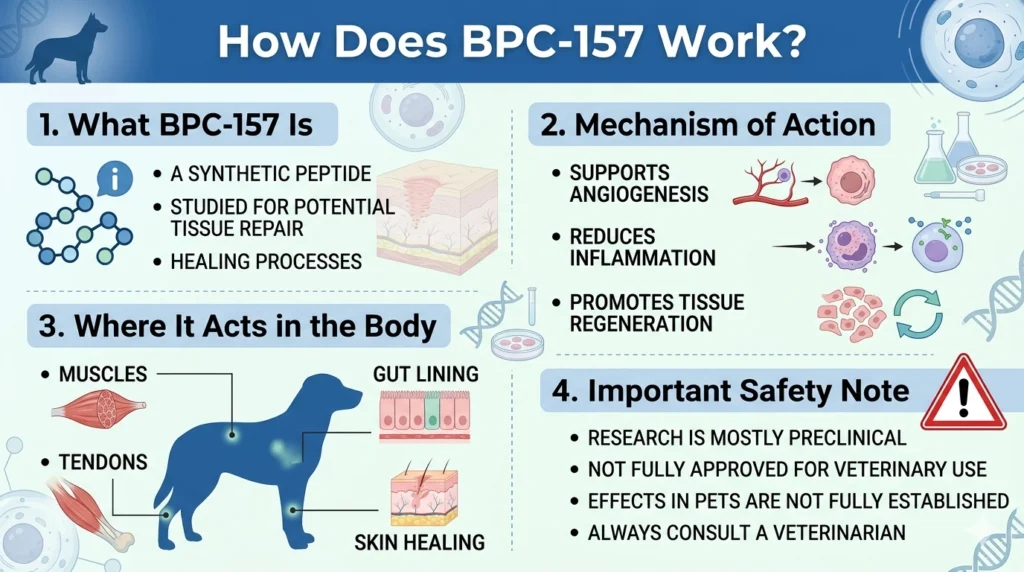
BPC-157 Supports Vascular and Neurological Repair One underappreciated hallmark of long COVID is endothelial dysfunction damage to the lining of blood vessels that impairs circulation, oxygenation, and tissue delivery.7 BPC-157 has demonstrated angiogenic (new blood vessel formation) effects in research models, upregulating VEGFR2 and promoting collateral circulation in ischemic tissue.8 This matters for two reasons: Cardiovascular symptoms (breathlessness, reduced exercise tolerance, tachycardia) may partly reflect impaired tissue oxygenation from vascular damage Neurological symptoms (brain fog, cognitive impairment) may similarly reflect reduced cerebral blood flow BPC-157's neuroprotective effects shown across models of traumatic brain injury, dopamine dysregulation, and serotonin syndrome also suggest value in supporting the neurotransmitter disruption many long COVID patients experience.9 BPC-157 Modulates Inflammation Without Immune Suppression This is critical

Early histological studies examining skin wounds, colon anastomoses, and sponge implantation models evaluated tissue organization parameters such as reticulin fibers, collagen architecture, and blood vessel formation in healing tissue environments [8]
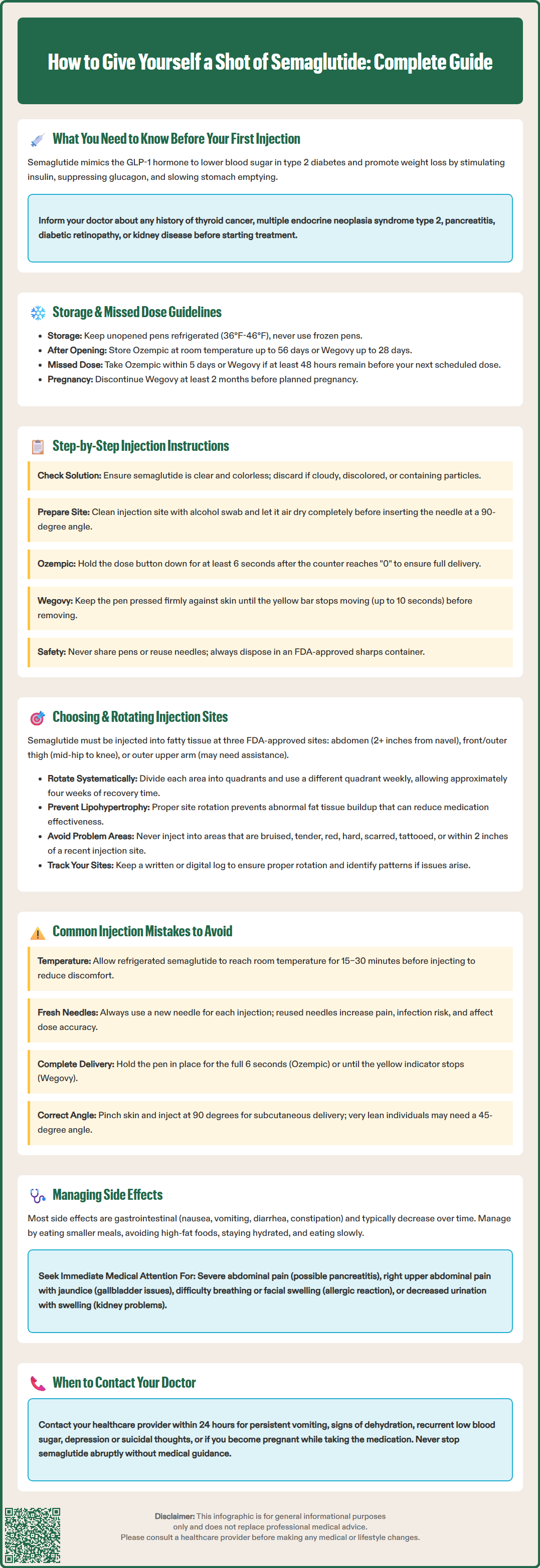
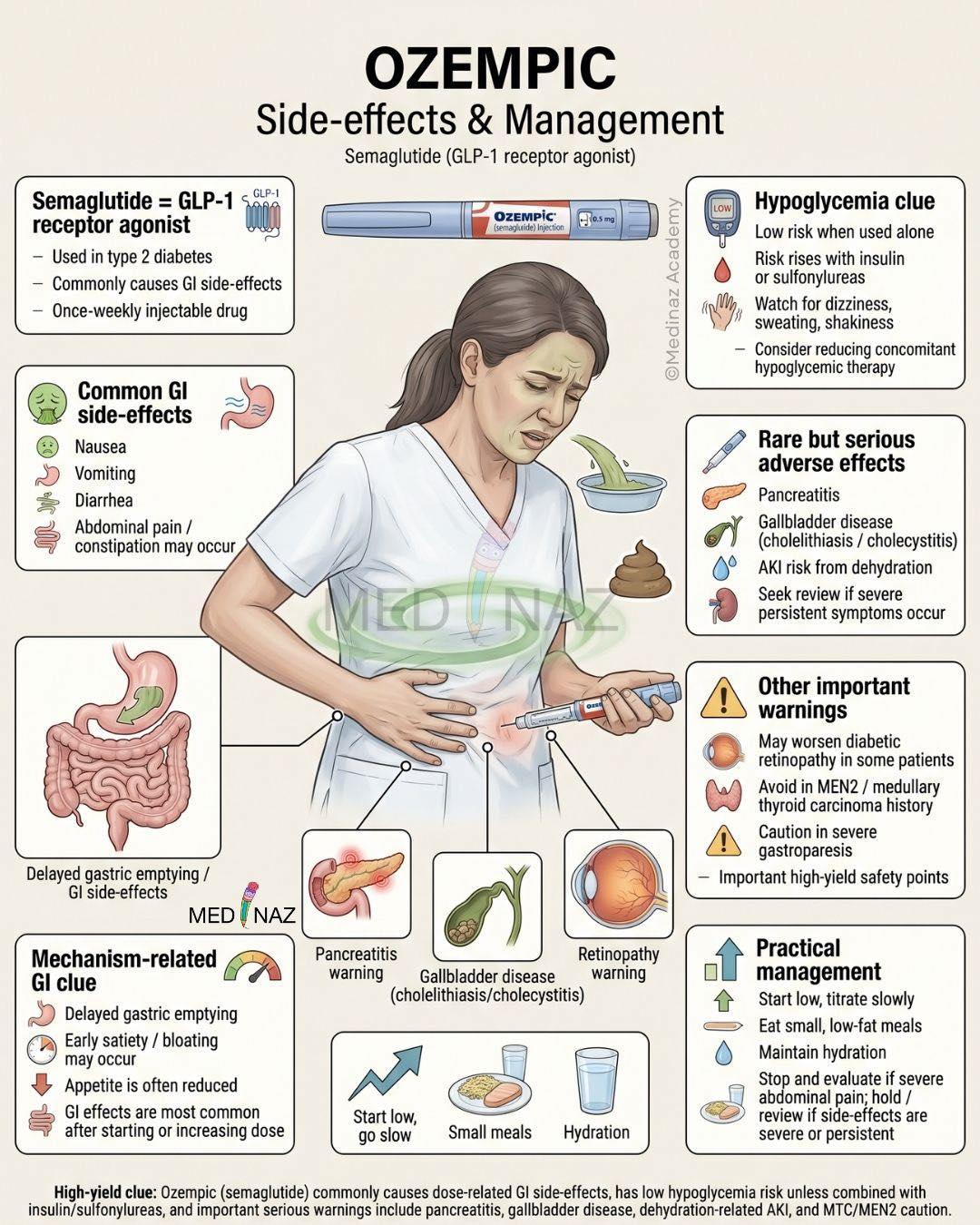
Semaglutide, conversely, has stronger clinical backing
In contrast, injections deliver B12 directly into muscle tissue where it's almost completely absorbed
Vitamin B12 plays a crucial role in red blood cell production, metabolism, and nervous system health
Other peptides may be prescribed off-label or obtained through compounding pharmacies